To work from home, or not to work from home? That is the question. The office world is still in a state of indecision as many staff continue to operate remotely, either part or full time, while employers consider the necessity of keeping expensive office space open when half the staff are no longer there to occupy it.
Is this going to be the permanent way forward? Will people gradually return to their former desks and office blocks, once we get used to living with Covid and life goes back to what it was two years ago? No one knows for sure.
In the meantime, this form of hybrid working doesn't help the senior executives of councils, local authorities, NHS Trusts and other public sector organisations as they struggle to balance their budgets and find cost savings where they can, at the same time as providing their local communities with all the many and varied services needed. Services that are becoming increasingly more expensive to fund.
Many municipal buildings have been temporarily closed for the past two years and many still remain shut, pending a decision as to their future. Likewise, the housing stock of many local authorities always has a schedule of maintenance or need for upgrade and refurbishment, and in these changing times a lot of this has been shelved due to either lack of budget or shortage of materials.
But this is such a waste of valuable resources, not to mention the opportunity to generate a bit of much needed income, as opposed to further costs to provide security and protection from the problems that beset all vacant property, such as squatters, mindless vandalism, ASB, fly-tipping and a lot more.
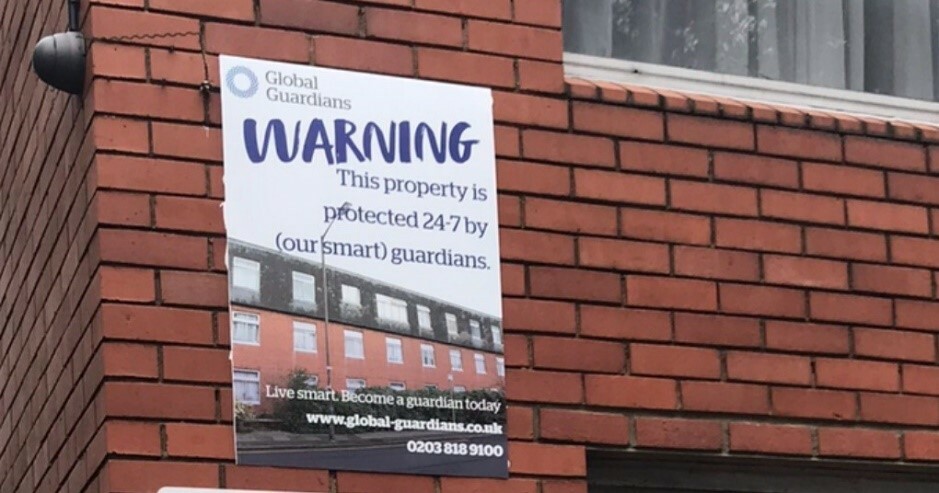
Installing property guardians from an ethical, experienced, well-known and respected organisation could be an answer. Security by occupation solves many problems and generates a host of benefits.
Income in the form of Council Tax from the temporary occupants, as well as providing many key workers on low incomes with a place to live, often in a city centre where they need to work. Guardians from Global Guardians are all working professionals who occupy a property and thereby secure it, and pay a small regular fee to do so in return for having a home.
They are not ‘tenants' in the legal sense, so don't pay ‘rent', and will therefore move out at short notice when the building is required back. The guardian company maintains the property when they take it over to secure and thus another expense is removed for the property owner, often along with reduced insurance costs; an inhabited building far less risk than an empty one.
The social benefits to this solution are enormous and the council, local authority, Trust or organisation which owns the property can also hold its head up and show they are being socially aware by maximising the potential of their property portfolio irrespective of whether it is old housing or an office block. Guardians can and do live in all of these buildings and the company refits an area to provide them with suitable, safe living accommodation.
And there is now no problem having the building handed back when required, following a landmark court case last December where the Court of Appeal upheld the principle of utilising property guardians and confirming they are NOT tenants, but are there for security purposes.
Global Guardians, as the industry leader in this sector, has now reassured all its many clients they have no worries about the legality, ethics and socially inclusive operations they offer to secure the many buildings in their care.
Stuart Woolgar is CEO of Global Guardians Management
Contact us today on 020 3818 9100 quoting VOID2022 to find out more
This article is sponsored content for The MJ